
Fat Transfer to Breast vs. Implants — Which Option Is Right for You?
Posted on October 5, 2025Fat Transfer vs. Breast Implants
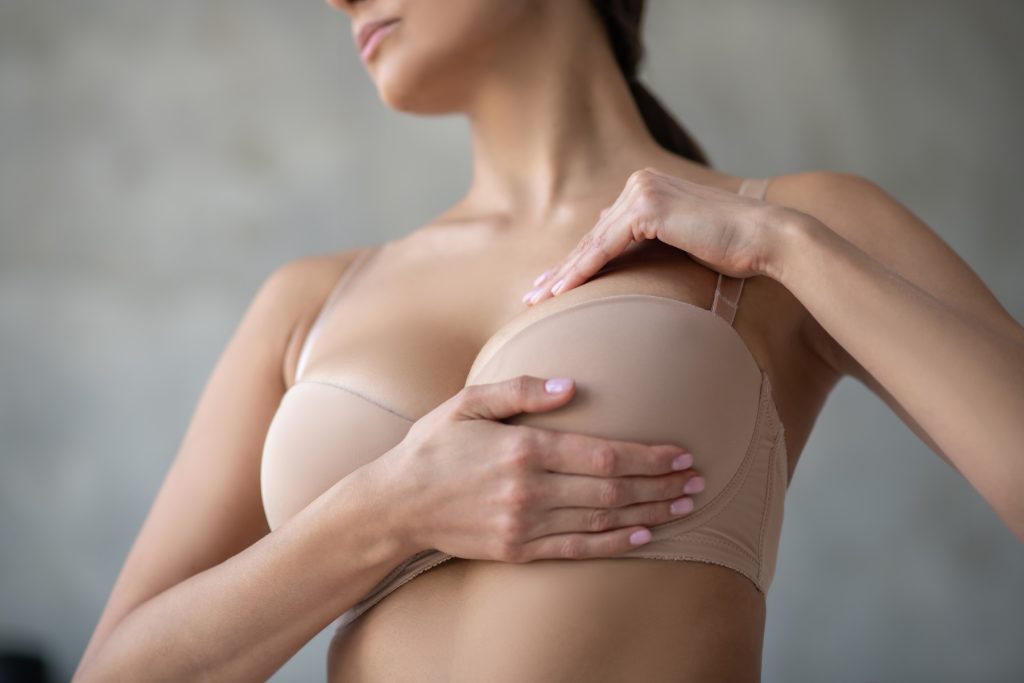
A guide comparing natural fat transfer breast augmentation and traditional breast implants.
Key Takeaways
-
Fat transfer to the breast uses your own body fat to create subtle, natural enhancement with no foreign materials.
-
Breast implants provide more dramatic and predictable volume changes with a wider range of shape and size options.
-
Each method offers unique benefits, recovery times, and long-term results — the best choice depends on your anatomy, goals, and lifestyle.
Choosing between fat transfer to the breast and breast implants is one of the most common decisions for women considering breast enhancement. Both techniques can beautifully enhance shape, symmetry, and proportion — but they differ in approach, feel, longevity, and ideal candidates.
At Fiala Aesthetics, our board-certified surgeons specialize in both fat grafting and traditional implant procedures, helping each patient select the most natural, confident version of themselves.
What Is Fat Transfer to the Breast?
Fat transfer breast augmentation, also known as autologous fat grafting, uses your own purified fat to increase breast volume. It’s a two-step process:
-
Liposuction removes fat from areas like the abdomen, thighs, or flanks.
-
Processed fat is then carefully injected into the breasts for subtle enhancement and contouring.
Benefits of Fat Transfer
-
100% natural tissue – no implants or synthetic materials.
-
Dual benefit: body contouring + breast enhancement.
-
Soft, natural feel that moves like your own tissue.
-
Minimal scarring and shorter recovery.
-
Ideal for patients seeking a small to moderate size increase (usually up to one cup).
Considerations
-
Limited volume potential — not ideal for large size increases.
-
Requires enough donor fat from other areas.
-
Some fat reabsorption (20–40%) is normal; touch-up sessions may be needed.
What Are Breast Implants?
Breast implants are medical-grade silicone or saline devices surgically placed under or over the chest muscle to increase breast size, shape, or symmetry.
Benefits of Implants
-
Predictable and customizable size and shape.
-
Can achieve more dramatic enhancement.
-
Long track record of safety and satisfaction.
-
Ideal for patients with limited body fat.
Types of Implants
-
Silicone implants: Softer, more natural feel.
-
Saline implants: Adjustable volume and smaller incision.
-
Gummy bear implants: Form-stable gel that holds shape well.
Considerations
-
Requires implant maintenance or replacement after 10–15 years.
-
Slightly longer recovery and visible scarring.
-
Higher cost and potential for complications like capsular contracture or rupture.
Fat Transfer vs. Implants — Side-by-Side Comparison
| Feature | Fat Transfer | Implants |
|---|---|---|
| Material: | Your own fat | Silicone or saline |
| Size Change: | Subtle to moderate | Moderate to large |
| Feel: | 100% natural tissue | Can feel firmer |
| Scarring: | Minimal | Small incision (1–2 inches) |
| Recovery: | 1–2 weeks | 2–4 weeks |
| Maintenance: | Long-term, minimal | Replace every 10–15 years |
| Dual Benefit: | Body sculpting + enhancement | Volume only |
| Ideal Candidate: | Wants natural look, mild enhancement | Wants fuller, lifted shape |
Which Option Is Right for You?
Your best option depends on your aesthetic goals, body type, and long-term expectations.
Choose Fat Transfer if you:
-
Want a natural look and feel.
-
Prefer a small to moderate enhancement.
-
Have areas with excess fat for liposuction.
-
Want to avoid implants or foreign materials.
Choose Implants if you:
-
Want a larger, more dramatic size increase.
-
Have limited donor fat.
-
Prefer precise control over shape and projection.
-
Don’t mind long-term maintenance or revision surgery.
Recovery Comparison
Fat Transfer Recovery:
-
Minor bruising and swelling at donor sites.
-
Resume most normal activities in about 1 week.
-
Avoid pressure on breasts for 2–3 weeks to allow fat grafts to “take.”
Implant Recovery:
-
Tightness or soreness for 1–2 weeks.
-
Most return to light activity in 7–10 days.
-
Full recovery in 4–6 weeks.
Both procedures yield long-lasting results when performed by a board-certified surgeon using advanced techniques.
Frequently Asked Questions (FAQ)
Is fat transfer safer than implants?
Both are considered safe when performed by qualified surgeons. Fat transfer eliminates implant-related risks but has a higher chance of partial fat absorption.
How long do fat transfer results last?
Permanently — once the transferred fat cells establish blood supply, they remain as living tissue.
Do implants feel natural?
High-quality silicone “gummy bear” implants feel very close to natural breast tissue, especially when placed under the muscle.
Can I combine fat transfer and implants?
Yes. Some patients choose a hybrid breast augmentation, combining implants for structure with fat grafting for natural contouring.
What is the cost difference?
Fat transfer may cost slightly more upfront due to liposuction and processing, but implant maintenance over time can even out long-term costs.
Ready to Explore Your Breast Enhancement Options?
Schedule a personalized consultation at Plastic Surgery in Florida to discuss whether fat transfer, implants, or a hybrid approach best fits your goals. Our team will help you understand your options, view before-and-after photos, and create a customized surgical plan for your ideal results.
For More Information on the Treatments and Procedures offered, contact award-winning Board Certified Plastic Surgeon Dr. Thomas Fiala at Fiala Aesthetics in Greater Orlando to Schedule Your Consultation:


Voted the #1 Best Plastic Surgeon in Orlando, Florida by the readers of Orlando Magazine.