
Breast Augmentation and Pregnancy: What to Expect
Posted on January 1, 2025Breast augmentation is one of the most popular cosmetic procedures in Florida, and many women who choose implants are also planning to become pregnant—either soon or later in life. Understanding how pregnancy, breastfeeding, and postpartum changes may affect your results can help you make confident decisions and prepare for the future.
This guide explains what to expect before, during, and after pregnancy when you have breast implants, along with best-practice recommendations from plastic surgeons.
FAQs: Breast Implants and Pregnancy
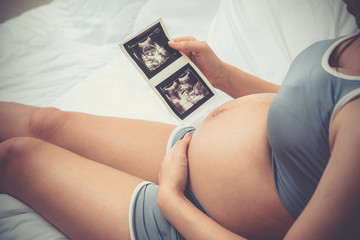 Can I get pregnant after breast augmentation?
Yes. Breast implants do not affect fertility or your ability to become pregnant.
Is it safe to breastfeed with implants?
For most women, yes. The majority of breast augmentation techniques do not interfere with milk production or breastfeeding.
Will pregnancy change the look of my breast implants?
Pregnancy often causes natural breast tissue to expand and contract, which can change the appearance of the breasts—even with implants. Some women require a revision later.
Should I wait to get breast implants until after pregnancy?
If you plan to become pregnant soon, surgeons may recommend waiting. If pregnancy is years away, getting implants now is usually fine.
Do implants rupture or leak during pregnancy?
No. Pregnancy does not increase implant rupture risk.
How Breast Augmentation Can Affect Breastfeeding
Most women with implants can breastfeed normally, but the ability to nurse depends on surgical technique, incision placement, and your natural anatomy.
Incisions That Typically Preserve Breastfeeding Ability
-
Inframammary fold (under the breast) – Least likely to affect milk ducts.
-
Transaxillary (armpit incision) – No disruption of breast tissue.
Incisions With Slightly Higher Risk
-
Periareolar (around the nipple) – Can increase the risk of disrupting nerves or milk ducts, which may impact milk supply.
Implant Placement and Breastfeeding
-
Submuscular (under the muscle) implants rarely interfere with breastfeeding.
-
Subglandular (over the muscle) implants may slightly increase pressure on breast tissue but usually still allow for nursing.
Nipple Sensation & Milk Let-Down
Most women maintain full sensation and normal milk let-down, though rare cases of altered sensitivity may temporarily affect breastfeeding.
Key point: Breastfeeding with implants is considered safe. Research shows silicone does not appear in breast milk at harmful levels.
How Pregnancy Changes the Breasts When You Have Implants
Pregnancy triggers natural hormonal changes that cause breast tissue to swell, milk ducts to enlarge, and skin to stretch. Whether you have implants or not, these changes can alter breast shape.
Common Changes During Pregnancy:
-
Increased breast size
-
Skin stretching and loosening
-
Temporary engorgement
-
Areola darkening and nipple enlargement
Postpartum Changes:
After breastfeeding, breasts may:
-
Return to pre-pregnancy size
-
Look slightly smaller or deflated
-
Lose some upper-pole fullness
-
Show mild sagging
These effects vary by genetics, the degree of breast size change during pregnancy, implant size, and skin elasticity.
Implants Themselves Do NOT:
-
Move out of position due to pregnancy
-
Become damaged or ruptured
-
Interfere with postpartum healing
However, natural breast tissue changes can make implants more noticeable or change their appearance.
Recommendations for Timing Surgery Around Pregnancy Plans
Your ideal timing depends on your goals, family plans, and how soon you hope to get pregnant.
If You’re Planning Pregnancy Soon (Within 12–18 Months)
Surgeons often recommend waiting. Pregnancy may quickly alter results, which could lead to:
-
Sagging
-
Volume loss
-
Need for a breast lift or revision
If Pregnancy Is Not Planned for Several Years
Getting breast augmentation now is generally fine. Many women enjoy years of ideal results before starting a family.
After Pregnancy and Breastfeeding
If you already had implants prior to pregnancy:
-
Wait 3–6 months after weaning before considering revision surgery.
-
Give your body time to stabilize.
-
A breast lift (mastopexy) may be recommended if sagging occurs.
If You Want a Mommy Makeover
Many women combine:
-
Breast augmentation or implant exchange
-
Breast lift
-
Tummy tuck
-
Liposuction
This approach restores a youthful shape after pregnancy-related changes.
What Happens to Implants During Pregnancy & Postpartum?
Implants During Pregnancy
-
They maintain their structure, shape, and position.
-
Surrounding breast tissue expands temporarily.
-
Skin may stretch, affecting overall appearance.
Implants During Breastfeeding
-
Implants do not affect milk composition or safety.
-
Breast size may increase temporarily due to milk production.
Implants After Breastfeeding
-
Some women experience a “post-lactation deflation” of natural tissue.
-
Implants may appear slightly lower or less supported if skin laxity increases.
-
Some women choose a lift to correct postpartum sagging.
Do You Need New Implants After Pregnancy?
Not usually. A revision is only needed if:
-
There is significant sagging
-
You want a size change
-
You desire a refreshed appearance
Many women keep the same implants for years after pregnancy with no complications.
For More Information on the Treatments and Procedures offered, contact award-winning Board Certified Plastic Surgeon Dr. Thomas Fiala at Fiala Aesthetics in Greater Orlando to Schedule Your Consultation:


Voted the #1 Best Plastic Surgeon in Orlando, Florida by the readers of Orlando Magazine multiple years in a row.
References
-
American Society of Plastic Surgeons – Breast Augmentation Safety
https://www.plasticsurgery.org -
Mayo Clinic – Breastfeeding After Breast Surgery
https://www.mayoclinic.org -
FDA – Breast Implant Safety Information
https://www.fda.gov/medical-devices/breast-implants -
La Leche League International – Breastfeeding with Implants
https://www.llli.org