
Botox: How It Works, Benefits, Safety, and What to Expect
Posted on April 10, 2026A trusted cosmetic treatment for reducing wrinkles and preventing signs of aging
Key Takeaways
-
Botox is a non-surgical cosmetic treatment used to reduce the appearance of wrinkles and fine lines.
-
It works by temporarily relaxing targeted facial muscles that cause expression lines.
-
Common treatment areas include forehead lines, frown lines, and crow’s feet.
-
Results typically appear within a few days and last about 3–4 months.
-
Botox is FDA-approved and considered safe when administered by qualified medical professionals.
What Is Botox?
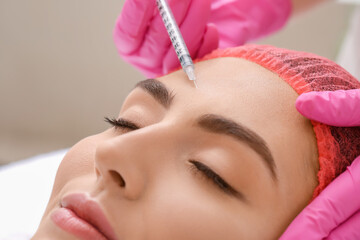 Botox is a cosmetic injectable made from a purified form of botulinum toxin type A, a substance that temporarily reduces muscle activity. When carefully injected in small amounts, it can soften wrinkles caused by repeated facial expressions.
Botox is most commonly used to treat:
- Forehead lines
- Frown lines (between the eyebrows)
- Crow’s feet (lines around the eyes)
- Lip lines
- Chin dimpling
- Neck bands
By relaxing specific muscles, Botox helps the skin appear smoother and more refreshed without surgery.
How Botox Works
Wrinkles often form from repeated facial expressions such as smiling, frowning, or squinting. Over time, these movements create lines that remain visible even when the face is at rest.
Botox works by temporarily blocking nerve signals to targeted muscles. This allows the muscles to relax, which reduces the appearance of lines caused by movement.
The treatment does not affect sensation or overall facial function when properly performed. The goal is typically to soften lines while preserving natural facial expression.
How Long Does Botox Last?
Botox results are temporary because the body gradually restores normal nerve signaling to the treated muscles.
Most patients can expect:
- Results beginning in 3–5 days
- Full results in about 10–14 days
- Results lasting approximately 3–4 months
Some patients who receive regular treatments may notice results lasting longer over time.
Maintenance treatments are typically recommended 3–4 times per year depending on individual goals.
Benefits of Botox
Botox remains one of the most popular cosmetic treatments due to its effectiveness and convenience.
Benefits may include:
- Reduction of dynamic wrinkles
- Prevention of deeper wrinkle formation
- Quick treatment sessions
- Minimal downtime
- Natural-looking results when performed properly
- Customizable treatment plans
Many patients also choose Botox as a preventative treatment to slow the formation of deeper expression lines.
What to Expect During Treatment
A typical Botox appointment is relatively quick and straightforward.
Treatment usually involves:
- Consultation and facial assessment
- Identification of treatment areas
- Precise injections using very fine needles
- Post-treatment instructions
Most treatments take about 15–30 minutes, depending on the number of areas treated.
Patients often describe the injections as a brief pinching sensation.
What to Expect After Botox
There is typically little to no downtime after Botox treatment.
Some patients may experience mild temporary effects such as:
- Redness
- Minor swelling
- Small injection marks
- Mild tenderness
These effects usually resolve within a few hours to a few days.
Patients are often advised to:
- Avoid lying down for several hours
- Avoid strenuous exercise the same day
- Avoid rubbing treated areas
- Follow all provider instructions
Results gradually appear over the following days.
Is Botox Safe?
Botox has been FDA-approved for cosmetic use since 2002 and has a long track record of safety when administered by qualified providers.
As with any medical procedure, risks exist.
Possible side effects may include:
- Temporary bruising
- Headache
- Eyelid drooping (rare)
- Asymmetry (usually temporary)
- Injection site discomfort
Serious complications are uncommon and usually related to improper technique. This is why choosing a qualified provider is critical.
Choosing a Qualified Botox Provider
Provider experience is one of the most important factors in achieving safe, natural-looking results.
Look for providers who:
- Have appropriate medical credentials
- Have extensive experience with injectables
- Understand facial anatomy
- Provide personalized consultations
- Focus on natural results
Expert placement and conservative dosing are key to achieving balanced outcomes.
Who Is a Good Candidate for Botox?
Botox may be appropriate for adults who:
- Want to reduce facial expression lines
- Want preventative wrinkle treatment
- Prefer non-surgical cosmetic options
- Are in good overall health
- Have realistic expectations
A consultation helps determine the best treatment approach based on facial structure and aesthetic goals.
Frequently Asked Questions
How soon will I see Botox results?
Most patients begin seeing improvement within 3–5 days, with full results appearing within about two weeks.
Does Botox hurt?
Most patients report only minor discomfort during injections. The needles used are very fine and treatments are quick.
Will my face look frozen?
When performed properly, Botox should allow natural facial movement while softening wrinkles.
How often should Botox be repeated?
Many patients maintain results with treatments every 3–4 months.
Can Botox prevent wrinkles?
Botox is often used preventatively to reduce the formation of deeper lines caused by repeated muscle movement.
Botox continues to be one of the most popular non-surgical cosmetic treatments because it offers predictable results with minimal downtime.
When administered by an experienced provider, Botox can reduce wrinkles, maintain natural expression, and help patients achieve a more refreshed appearance.
If you are considering Botox, a consultation with a qualified provider is the best way to develop a treatment plan tailored to your aesthetic goals.
References
Cleveland Clinic – Botox Overview