
What Is Breast Ptosis (Sagging) and What Causes It?
Posted on December 1, 2025Breast Sagging Key Takeaways
-
Breast ptosis, commonly referred to as breast sagging, is the natural drooping of breast tissue over time.
-
It occurs when ligaments, skin, and supportive tissue lose elasticity and can no longer hold the breast in its original position.
-
Causes include aging, pregnancy, breastfeeding, weight fluctuations, genetics, and lifestyle factors.
-
Breast ptosis is classified into grades (mild, moderate, severe), which help guide potential treatment options.
-
While natural, many women choose cosmetic procedures like breast lift (mastopexy) to restore shape and position.
What Is Breast Ptosis?
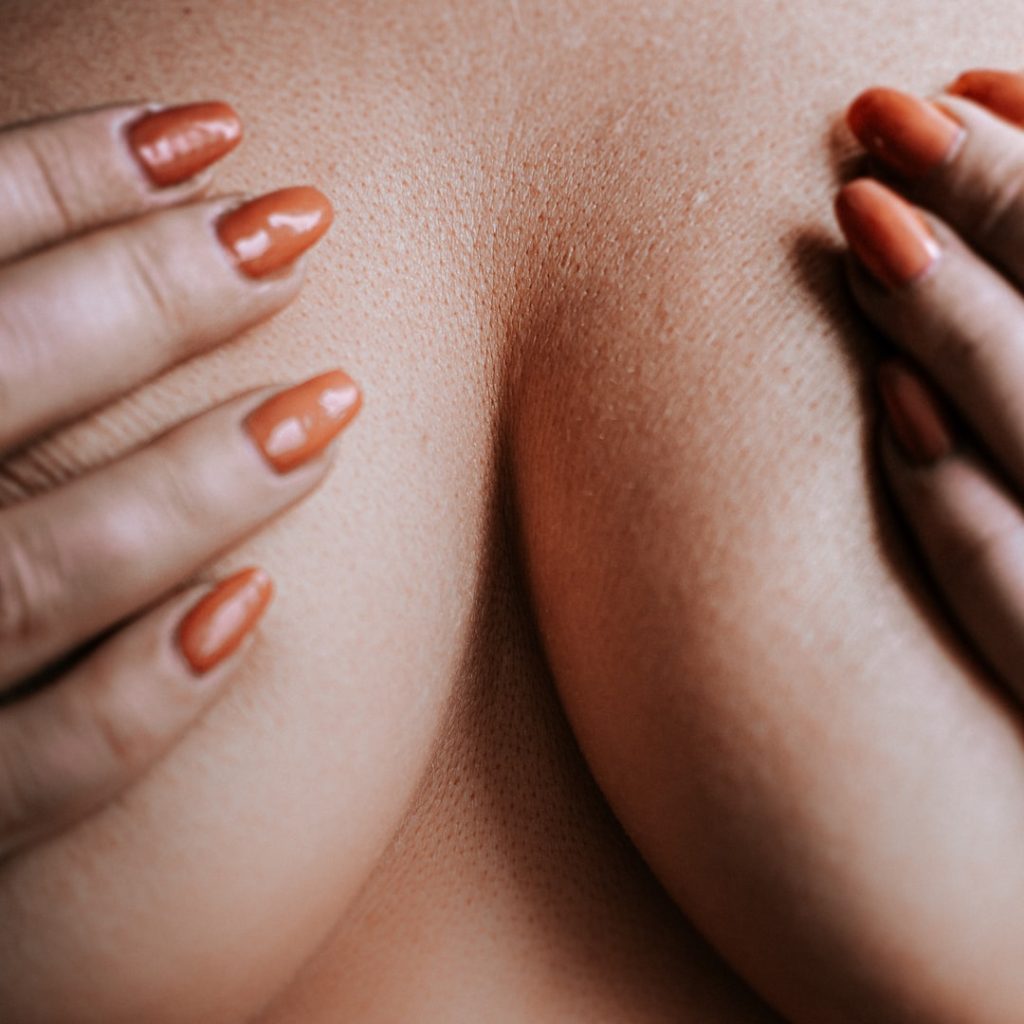 Breast ptosis is the medical term for sagging breasts. It happens when the Cooper’s ligaments (fibrous tissue supporting the breasts) stretch and the skin loses elasticity, causing the breasts to droop.
Sagging can affect one or both breasts and may vary in severity depending on factors like breast size, genetics, and life events.
Signs of Breast Ptosis
-
Nipples pointing downward or below the breast crease
-
Loss of breast firmness and volume at the top of the breast
-
Skin may appear stretched or thinner
-
Changes in overall breast shape
Causes of Breast Sagging
1. Aging
As women age, the skin naturally loses collagen and elastin — the proteins that keep tissue firm. This makes it harder for the breasts to maintain their youthful shape.
2. Pregnancy and Breastfeeding
Pregnancy causes the breasts to enlarge due to increased milk production. After breastfeeding, the tissue can shrink back, but often the skin and ligaments remain stretched, contributing to sagging.
3. Weight Fluctuations
Gaining and losing weight frequently can stretch breast tissue and skin, accelerating sagging over time.
4. Genetics
Your genetic makeup largely determines breast size, shape, skin elasticity, and ligament strength, which all influence the likelihood of ptosis.
5. Gravity
Larger breasts are more prone to sagging over time because gravity exerts a downward pull on heavier tissue.
6. Lifestyle Factors
-
Smoking can reduce collagen production, weakening the skin and ligaments.
-
Poor posture may affect breast positioning and support.
-
Lack of supportive bras during high-impact activities may contribute to ligament stretching.
Types and Grades of Breast Ptosis
Breast ptosis is categorized into grades based on the nipple’s position relative to the breast crease:
-
Grade 1 (Mild Ptosis): Nipples at or slightly below the breast crease
-
Grade 2 (Moderate Ptosis): Nipples below the breast crease but above the lowest part of the breast
-
Grade 3 (Severe Ptosis): Nipples well below the breast crease and pointing downward
These grades help surgeons recommend the most appropriate treatments or cosmetic procedures.
Can Breast Ptosis Be Prevented?
While some sagging is inevitable with age and life events, certain habits may slow its progression:
-
Maintain a stable weight
-
Wear supportive bras, especially during exercise
-
Avoid smoking and protect skin from sun damage
-
Perform chest-strengthening exercises to maintain underlying muscle tone
-
Hydrate and follow a healthy lifestyle for better skin elasticity
Treatment Options
For women seeking cosmetic correction of breast ptosis:
1. Breast Lift (Mastopexy)
-
Surgically raises and reshapes sagging breasts
-
Nipple and areola are repositioned to a higher, more youthful position
-
Can be combined with implants for added volume
2. Fat Grafting / Augmentation
-
Fat can be transferred to add volume to the upper pole of the breast
-
Helps restore youthful contours alongside a breast lift
3. Non-Surgical Options
-
Some non-invasive skin-tightening treatments may mildly improve firmness
-
Limited results compared to surgical options, especially for moderate to severe ptosis
Frequently Asked Questions
Is breast sagging preventable?
Not entirely, as genetics and aging play a major role, but lifestyle habits like maintaining weight, wearing supportive bras, and avoiding smoking can slow the process.
Does breastfeeding cause permanent sagging?
Breastfeeding itself is not usually the main cause — pregnancy-related changes in breast size and skin stretch are more significant.
At what age does ptosis occur?
Ptosis can start as early as the late 20s or 30s in some women, but it generally becomes more noticeable after pregnancy, weight changes, or in later adulthood.
Can exercise fix sagging?
Strengthening chest muscles may improve appearance slightly, but cannot reverse skin or ligament laxity.
For More Information on the Treatments and Procedures offered, contact award-winning Board Certified Plastic Surgeon Dr. Thomas Fiala at Fiala Aesthetics in Greater Orlando to Schedule Your Consultation:


Voted the #1 Best Plastic Surgeon in Orlando, Florida by the readers of Orlando Magazine.